Need pond, lake, or muck removal help in Utah?

Request a Quote

or call

801-590-8516

Resources

Common Pond Problems

Ponds can change significantly over time. What starts as a clean, open water feature can gradually fill in, become overgrown, or develop water quality issues. Most pond problems don’t happen overnight—they build up slowly until the system no longer functions the way it should.

Use This Guide To

Turn general dredging information into a better next step.

  • Understand what problem this topic actually helps solve.
  • Separate surface-level maintenance from deeper buildup issues.
  • Know what details to gather before asking for project guidance.
When To Act

Reading is useful. Site-specific guidance matters when the symptoms are already visible.

  • Depth loss, odor, shoreline decline, or repeated cleanup issues keep coming back.
  • You need to know whether dredging, muck removal, or routine cleaning is the better fit.
  • You want help choosing the right service page or local coverage page before reaching out.

Why pond problems develop

Ponds are constantly interacting with their environment. Rainfall, runoff, organic material, and vegetation all contribute to gradual changes. Without maintenance or intervention, these changes can turn into larger problems over time.

Many issues are connected. Sediment buildup leads to shallow water, shallow water encourages vegetation and algae growth, and that growth creates more organic material that continues the cycle.

Problem area overview Problem area overview
Close-up symptom photo Close-up symptom photo
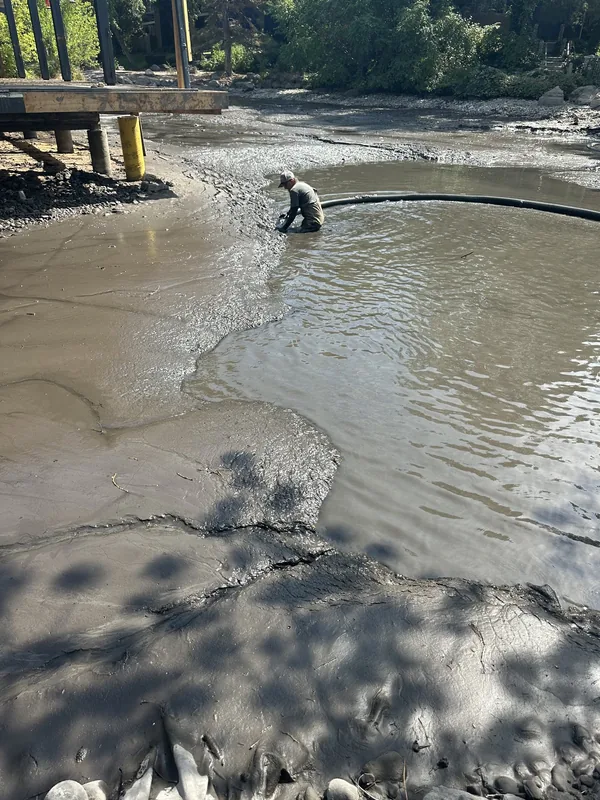
Examples of algae growth, shallow edges, sediment buildup, and nuisance vegetation that often point to a larger restoration problem.

Most common pond problems

Sediment buildup

Over time, silt, debris, and organic material settle to the bottom, reducing depth and capacity.

Excessive algae

Nutrient-rich conditions and shallow water can lead to algae blooms that affect appearance and water quality.

Vegetation overgrowth

Aquatic plants can take over shorelines and surface areas, limiting access and usability.

Poor water clarity

Suspended particles, organic matter, and algae can make water appear murky or discolored.

Foul odors

Decomposing organic material and low oxygen conditions can produce unpleasant smells.

Shoreline erosion

Edges of the pond may degrade over time, contributing additional sediment and altering the shape of the waterbody.

How problems compound over time

Pond issues rarely exist in isolation. One problem often leads to another. As sediment builds up, water becomes shallower. Shallower water allows sunlight to reach more of the bottom, encouraging plant growth and algae.

That growth eventually dies and decomposes, adding more organic material to the pond and accelerating the cycle. Without intervention, conditions tend to worsen year after year.

Temporary fixes vs. long-term solutions

Some pond issues can be managed temporarily with surface treatments, chemical applications, or short-term maintenance. While these approaches can improve conditions in the moment, they often do not address the root cause.

Long-term solutions typically involve removing the underlying problem, such as sediment buildup or excessive organic material. In many cases, that means dredging, vegetation removal, or a combination of approaches.

Frequently asked questions

What are the most common pond problems?

Common pond problems include sediment buildup, algae growth, excessive aquatic vegetation, poor water clarity, foul odors, shoreline erosion, and reduced depth.

Why is my pond filling in over time?

Ponds naturally accumulate sediment from runoff, organic material, and decaying vegetation. Over time, this buildup reduces depth and causes the pond to slowly fill in.

What causes algae blooms in ponds?

Algae blooms are often caused by excess nutrients, shallow water, sunlight penetration, and organic buildup. These conditions allow algae to grow rapidly.

Can pond problems get worse if ignored?

Yes. Most pond issues compound over time. Sediment buildup leads to shallower water, which encourages vegetation and algae growth, creating a cycle that worsens if not addressed.

What is the best way to fix long-term pond problems?

The best solution depends on the issue, but long-term problems like sediment buildup often require dredging or physical removal rather than temporary treatments.

Need Help?

Not sure what your pond or lake needs?

Send us a few details about the site, buildup, access, and what you’re trying to improve. We’ll help point you toward the right next step.